







Search

Who We Serve
Empowering EMS, Fire, Hospitals, agencies, and researchers with data-driven solutions to improve efficiency, compliance, and outcomes.
Turn insights into smarter decisions when minutes matter.




Connect26 Registration
ImageTrend’s Annual User Conference
Resources & Events / Research Posters / Characteristics of EMS 9-1-1 Activations for Pediatric Drownings, a National Cross-Sectional Study
Authors: Lindsay Walsh, MD1; Macall Leslie Salewon, MPH2; Rebecca E. Cash, PhD3, Jonathan R. Powell, PhD2; Morgan K. Anderson, MPH2
1Harvard Affiliated Emergency Medicine Residency Program, Department of Emergency Medicine, Mass General Brigham
2Clinical and Research Services, ImageTrend
3Department of Emergency Medicine, Mass General Brigham, Harvard Medical School
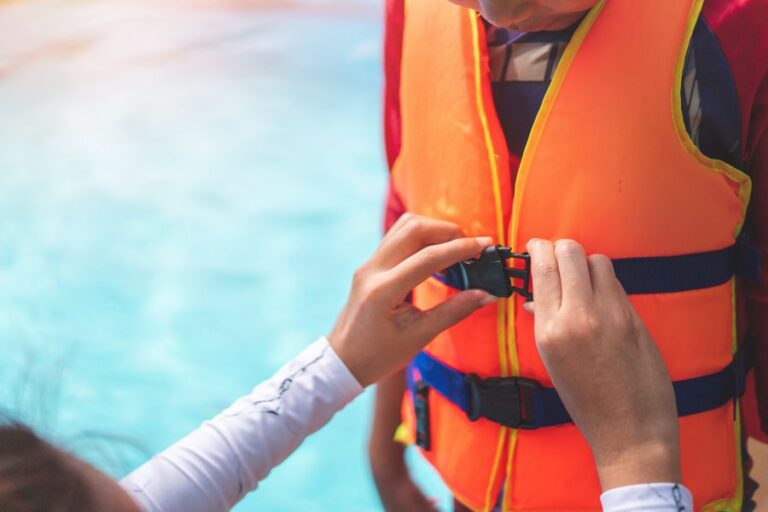
Drowning is a leading cause of unintentional injury and death among children in the U.S., with an age-adjusted mortality rate of 3.1 per 100,000 children. Currently, there is limited literature on prehospital factors that affect outcomes in pediatric drownings. Our objective was to characterize drownings among pediatric patients with a focus on emergency medical service (EMS) response to improve public health awareness and prevention.
We conducted a cross-sectional evaluation of EMS activations for pediatric drownings using the 2024 ImageTrend Collaborate dataset. We included 9-1-1 responses for patients <18 years of age who had drowning, diving, or submersion incidents documented as their dispatch complaint, provider impression, or cause of injury. We used descriptive statistics (n, %) to examine patient demographics, incident characteristics, and response characteristics for bystanders and EMS.
Of the 1,470 drownings included, 82.4% had a dispatch complaint of drowning. The majority of patients were 1-4 years old (47.5%), non-Hispanic white (44.3%), and male (56.9%).
More than half (58%) of drowning cases occurred between 12:00-18:00, and on weekends (55.3%). Approximately three-quarters (75%) of cases resulted in EMS transport. Cardiac arrest was reported in 289 cases (20%), with CPR most frequently initiated by bystanders (61% of cardiac arrests). Among patients who experienced cardiac arrest, the first assessed rhythm was asystole in 40.1% of cases. Return of spontaneous circulation (ROSC) was documented in slightly less than half (48.4%) of all cardiac arrests, but more frequently in those who had bystander-initiated CPR (62%) than those who had EMS-initiated (31%).
Consistent with prior studies, pediatric drownings most commonly occurred in 1-4 year olds and during the afternoon or evening hours on weekend days, with the majority of cases resulting in EMS transport. Bystander CPR was initiated in only about two-thirds of drowning cases with documented cardiac arrest, with ROSC reported in double the proportion of those who had CPR initiated by EMS. These findings highlight the ongoing need for community-based initiatives, such as primary prevention efforts to prevent drowning and secondary prevention efforts to increase bystander CPR to improve outcomes from drowning.
See the bigger picture and confidently face the challenges ahead with our industry-leading solutions.