










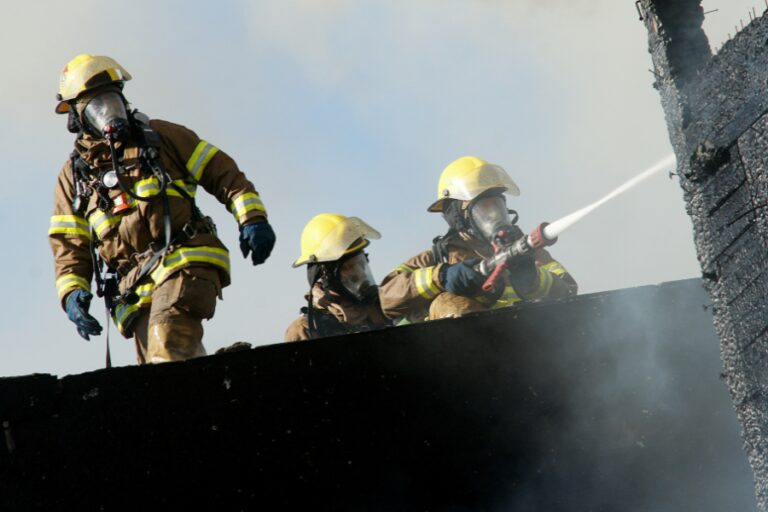
Most fire departments have a solid handle on suppression. Crews train, respond, document, repeat. The prevention side can feel more fragmented: inspections in one system, preplans in another, incident reports in a third, plus paper, spreadsheets, and shared drives hanging on in the background. When these records don’t connect, it becomes harder to understand risk or measure progress.
A prevention program works best when inspections, preplans, and incident data reinforce one another. That’s where connecting tools like ImageTrend Elite Fire, Locations/Occupants/Inspections (LOI), and Visual Pre Plans can change the story from “we collect a lot of data” to “we use data to drive prevention.”
Instead of treating each workflow as an isolated task, departments can create a prevention loop that helps identify risks earlier and respond smarter. This blog walks through what that looks like in practice, and why it matters for Chiefs, Fire Marshals, and the crews doing the work.
Why Fire Prevention Needs Connected Data, Not Just More Forms
Prevention isn’t just a compliance requirement. It’s a strategy. Fire marshals and inspectors often try to answer bigger questions:
- Are fire inspections reducing repeat hazards?
- Are certain occupancy types trending upward in call volume?
- Can we justify staffing or resources based on documented workload and risk?
Those answers depend on data that is accurate, accessible, and connected.
When fire inspection records, preplans, and incident reports are tied to the same location and occupant information, prevention stops being a separate function and starts informing operations. Elite Fire and LOI centralize that location-based history so fire departments can evaluate where risk exists, how it changes over time, and how prevention efforts influence outcomes.
A real example of this comes from the Virginia State Fire Marshal’s Office, which modernized its inspection process using Elite Fire and LOI. By completing fire inspections in the field, accessing digital records in real time, and tracking workload across the state, they doubled their inspection volume and significantly reduced processing time. The clarity of their data also helped secure new positions and funding. When fire prevention data is organized and reliable, the operational impact becomes visible.
That’s the type of story that connected data makes possible.
Step 1: Use LOI as the Foundation for Fire Prevention
The Locations/Occupants/Inspections (LOI) module acts as the foundation for connected fire prevention. Instead of maintaining separate spreadsheets for buildings, occupancies, and violations, LOI consolidates it into one structure that supports how fire prevention actually works.
- Locations store building and site details.
- Occupants reflect the businesses or organizations inside those locations.
- Inspection records track violations, notes, signatures, and supporting documents.
Inspectors can complete work in the field, even offline, and sync once they reconnect. Agencies can configure inspection forms, workflows, and violation lists to reflect their local code requirements. Photos and documentation are securely stored with each inspection record, and letters or permits can be generated directly within the system.
The real benefit is the visibility this creates. Fire marshals can see which occupancy types have the most violations, which buildings repeatedly fail inspections, and how long open violations remain unresolved. Chiefs gain insight into inspection volume, travel demands, and staffing needs. Everything ties back to the same location record, which becomes more valuable as incident data is added later.
Step 2: Turn Inspection Data into Actionable Preplans with Visual Pre Plans
Inspections document risk. Preplans help crews understand and act on that risk. When these two efforts work together, the information stays current and immediately useful.
Visual Pre Plans takes the building and occupant data from LOI and transforms it into an image-based, field-ready preplan. Instead of starting from scratch or relying on binders at the station, preplans update automatically as key details change in LOI.
With Visual Pre Plans, departments can:
- Build preplans in minutes using photos, hazard markers, and floor plans.
- View hydrants, access points, and critical features on a map.
- See preplans automatically when dispatch notifications come in through CAD.
- Share preplans with mutual aid partners to improve coordinated response.
The sync between LOI and Visual Pre Plans runs roughly every 15 minutes, so updates flow naturally from inspection work into preplanning. If an inspector changes occupancy information, documents new hazards, or moves an occupant to a new address, the preplan stays aligned. No one re-enters the same data twice.
For crews, this shows up in a straightforward way. When they receive a dispatch notification, they can open the preplan immediately, view key hazards, confirm hydrant locations, and get directions without losing access to the building information. The workflow stays simple while the underlying data stays connected.
Step 3: Close the Loop with Elite Fire Incident Reporting
The final piece of the prevention loop comes from documenting incidents in Elite Fire and tying those reports back to the same location and occupant data used in LOI and Visual Pre Plans.
Elite Fire supports NERIS reporting with configurable forms and fields that reflect both national standards and local needs. Centralized data management allows agencies to control validations, value ranges, and supplemental fields, ensuring more consistent fire documentation.
But the biggest fire prevention benefit is how incident history connects to the rest of the system.
Once an incident is linked to a location record, inspectors and fire marshals can see:
- When the last fire occurred.
- Whether previous violations or inspection notes were relevant.
- If certain properties are becoming repeat responders.
- How prevention work and real incidents intersect.
For line crews, it means the preplan they rely on incorporates not only inspection data but also relevant incident history. For leaders, it means they can base prevention priorities on patterns, not assumptions.
What This Connected Approach Means for Key Roles
Fire Chiefs and Executive Leaders
- A clearer view of risk, combining inspections, preplans, and incidents in one place.
- Data-backed justification for staffing, fee schedules, or prevention program enhancements.
- Better insight into trends that support accreditation or ISO-related efforts.
Fire Marshals and Prevention Teams
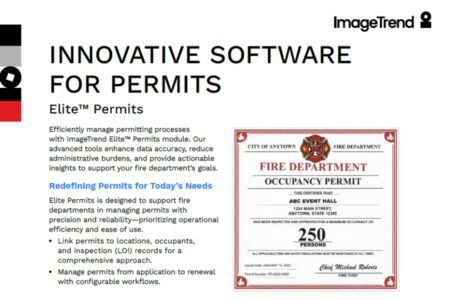
- One system to manage inspections, violations, permits, and occupancy information.
- Less duplicate entry, since location and occupant updates flow into Visual Pre Plans automatically.
- Stronger prioritization using trends, repeat hazards, and high-risk properties.
Company Officers and Crews
- Preplans that reflect current building details instead of outdated binders.
- Faster size-up through mapped hazards, hydrants, access points, and floor plans.
- A more complete understanding of the properties they respond to, informed by both prevention and incident data.
Bringing It All Together
Fire prevention becomes far more powerful when inspections, preplans, and incident reports aren’t treated as separate workflows. By connecting Elite Fire, the LOI module, and Visual Pre Plans, departments can create a prevention loop that looks like this:
- Inspect: Document risks and occupancy details in LOI.
- Sync: Let those updates automatically flow into Visual Pre Plans.
- Preplan and Respond: Give crews quick access to mapped, current building information.
- Document the Incident: Capture what happened in Elite Fire and tie it back to the location.
- Refine Prevention: Use what you learn to adjust inspection priorities and reduce risk.
This is the shift from “collecting data” to using data to strengthen fire prevention. Whether your department is already using part of the ImageTrend All-in-One Platform or exploring how connected systems could improve your workflow, the opportunity is the same. When prevention and operations share the same information, everyone is better equipped to reduce risk and improve safety in the community.

Teagan Fast
Optional Pre-Title H3 – Basic Content on White
Paragraph Text – Lorem ipsum dolor sit amet, consectetur adipiscing elit, sed do eiusmod tempor incididunt ut labore et dolore magna aliqua. Ut enim ad minim veniam, quis nostrud exercitation ullamco laboris nisi ut aliquip ex ea commodo consequat.