










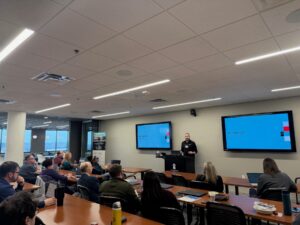
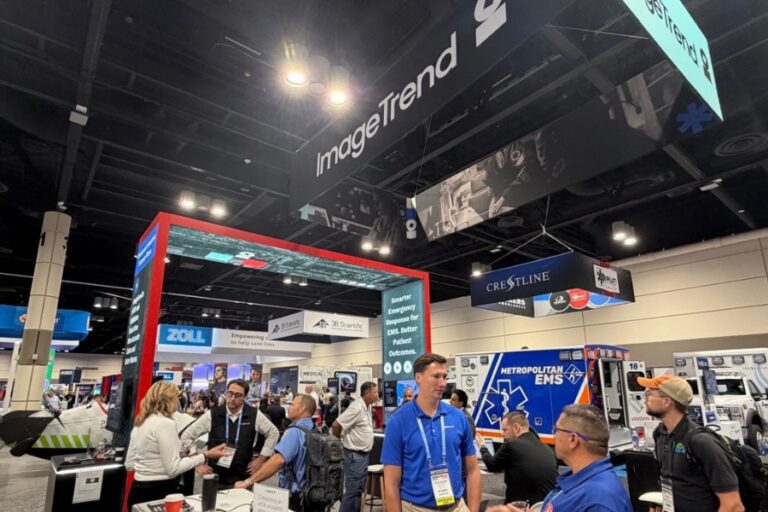
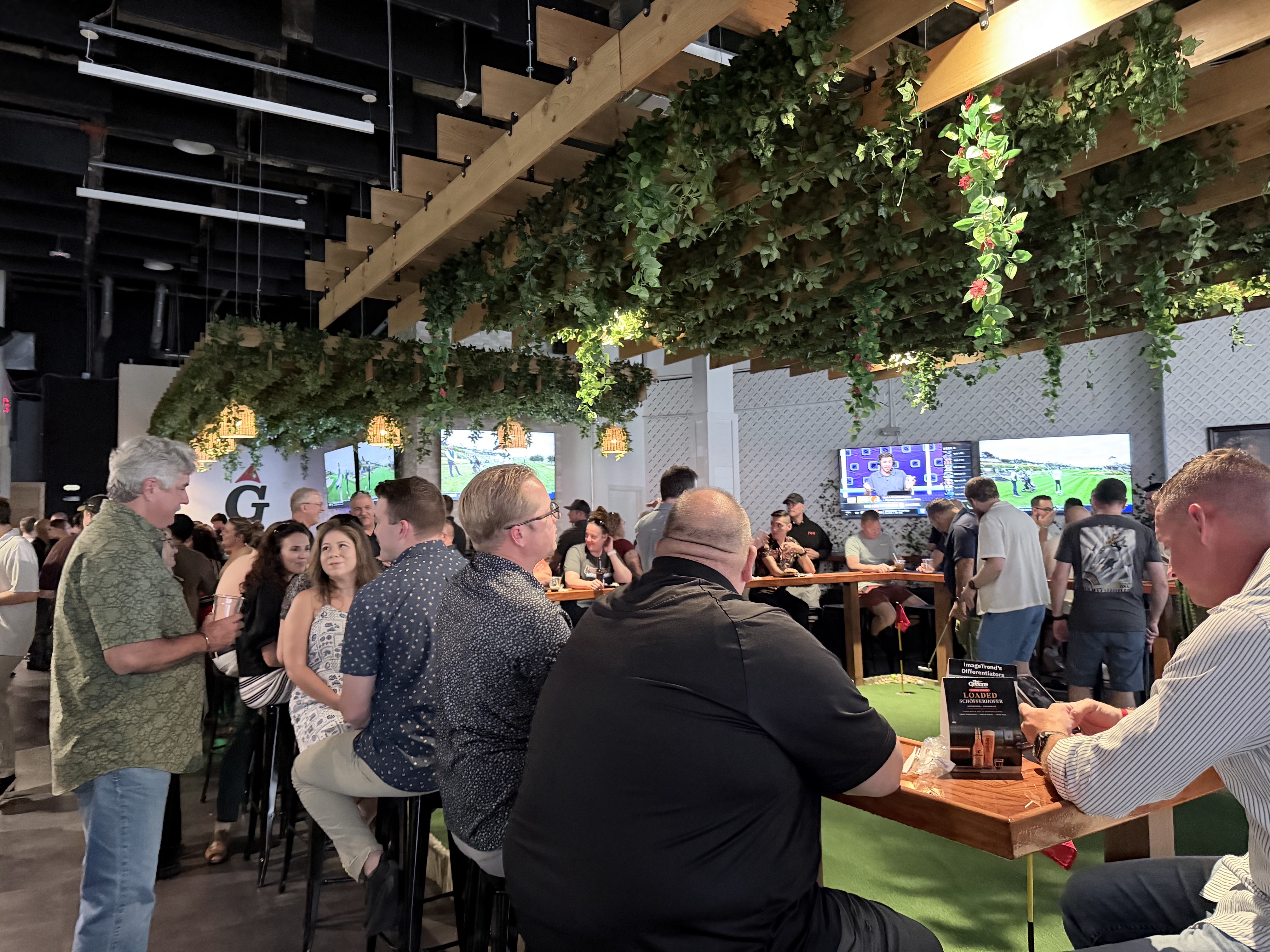
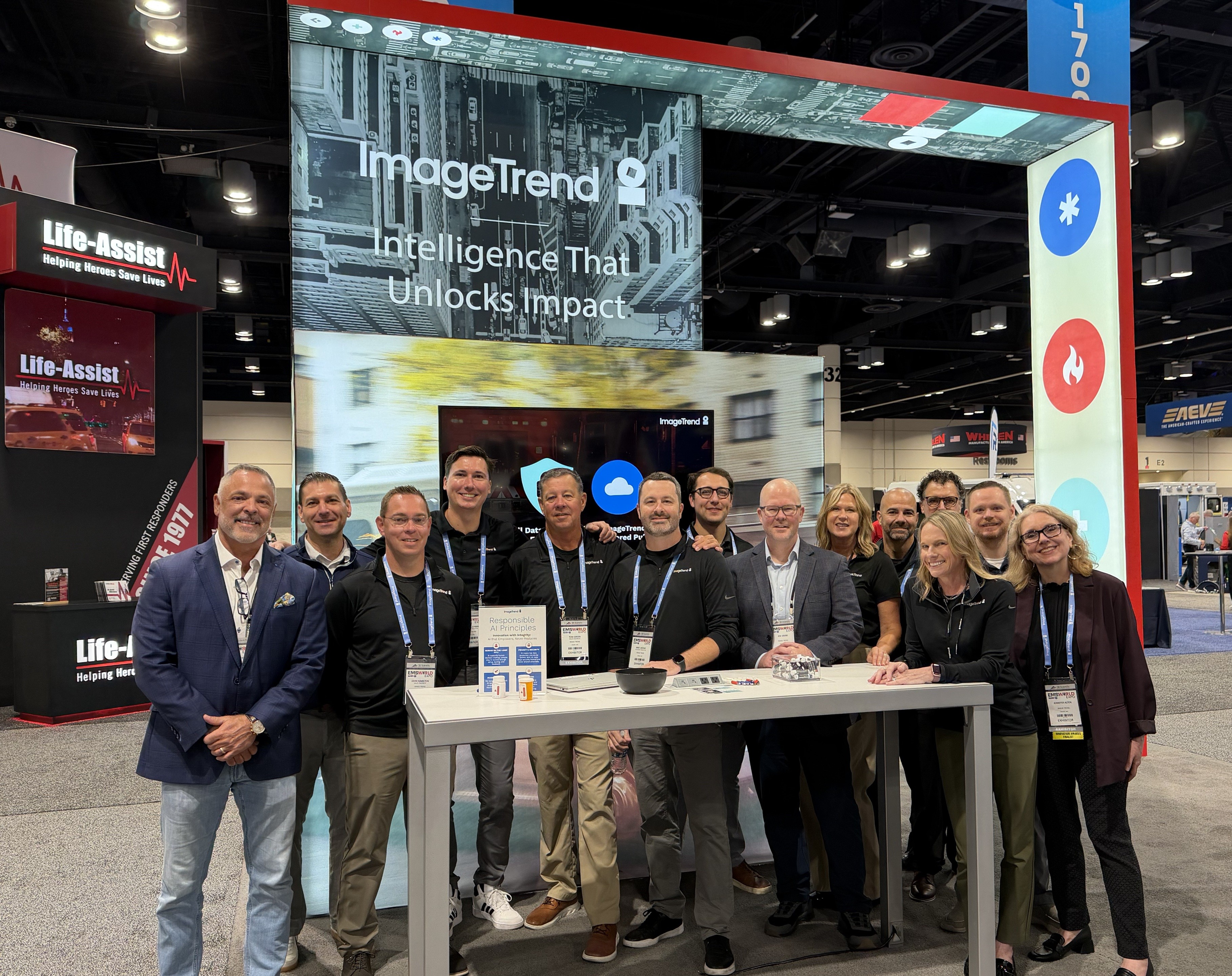
More than 7,000 EMS professionals from over 50 countries came to Orlando for EMS World Expo, September 28 to October 2. Public safety leaders, emergency response teams, educators, chiefs, medical directors, and paramedics filled sessions and the exhibit hall all week. The energy carried into the evenings, too. Our customer event was one of the busiest we’ve ever hosted with more than 160 guests trading stories from the field over indoor golf and a good time.
Lessons from the opening keynote session
Keynote speaker Dr. Eric Ossmann directed medical operations for the 2026 FIFA World Cup. That meant 104 matches in 16 host cities across three countries, with more than 600 sites to cover. His team handled more than 7,000 medical encounters, and two cardiac arrest patients walked out of the hospital. In his talk titled “Beyond the Pitch: Building the EMS Response for FIFA World Cup 2026,” he showed how those lessons apply to agencies of any size.
His planning tips included:
- Imagine the unlikely. Plan for what’s probable, like heat emergencies, but also prepare for the worst.
- Define who owns what. Make sure every team knows its role.
- Start early. “Time is your enemy.” Leave room for training with other agencies.
Ossman encourages attendees to prepare by putting resources where the risk is, and build a command structure that holds up when things change.
Bringing care home: the MIH Symposium
On September 29, the full-day Mobile Integrated Health (MIH) Symposium brought together leaders in community paramedicine. Faculty came from Mayo Clinic, Mehlville Fire Protection District, University of Tennessee Medical Center, Acadian Companies and more.
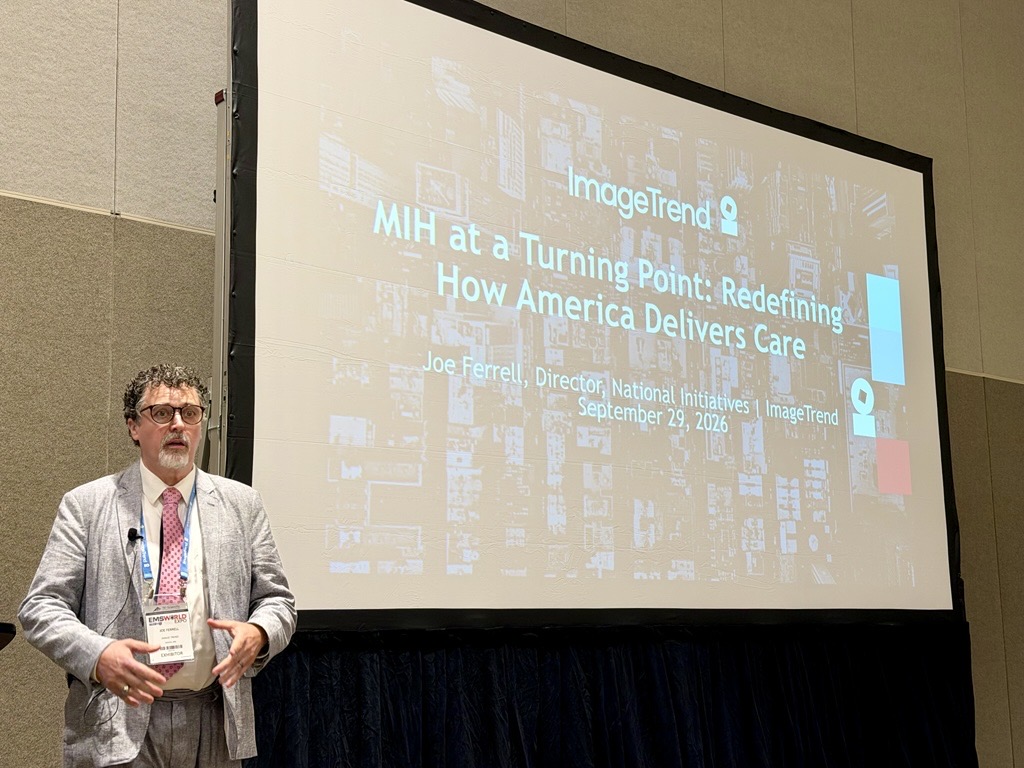
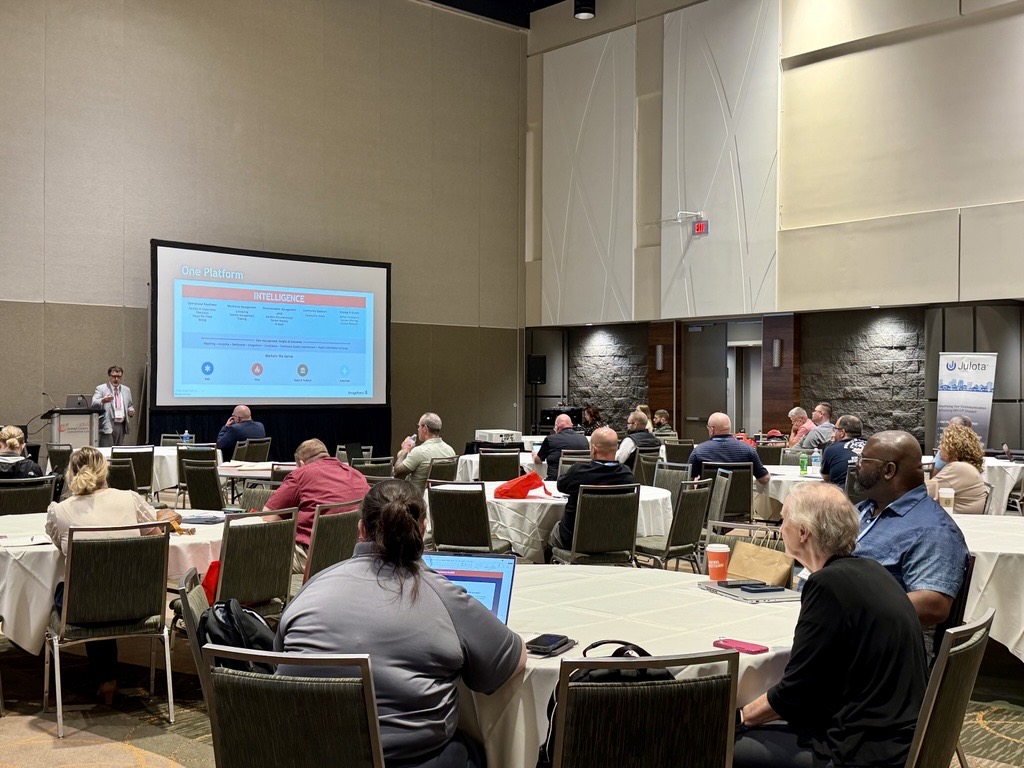
Joe Ferrell, ImageTrend’s Director of National Initiatives, presented “MIH at a Turning Point: Redefining How America Delivers Care.” His point was simple. About 70% of EMS calls are low acuity, and MIH programs can meet those needs before they turn into 911 calls. The results back it up:
- Clayton County, Georgia cut 911 use among program patients by 50% or more and avoided 500 transports in 2024.
- More than 1.2 million EMS records now include hospital outcome data, up from 300,000 in 2022.
Joe closed by reminding attendees that the future of MIH is “coordinated, connected, and built by the people in this room.”
AI: grounded by humans in the loop
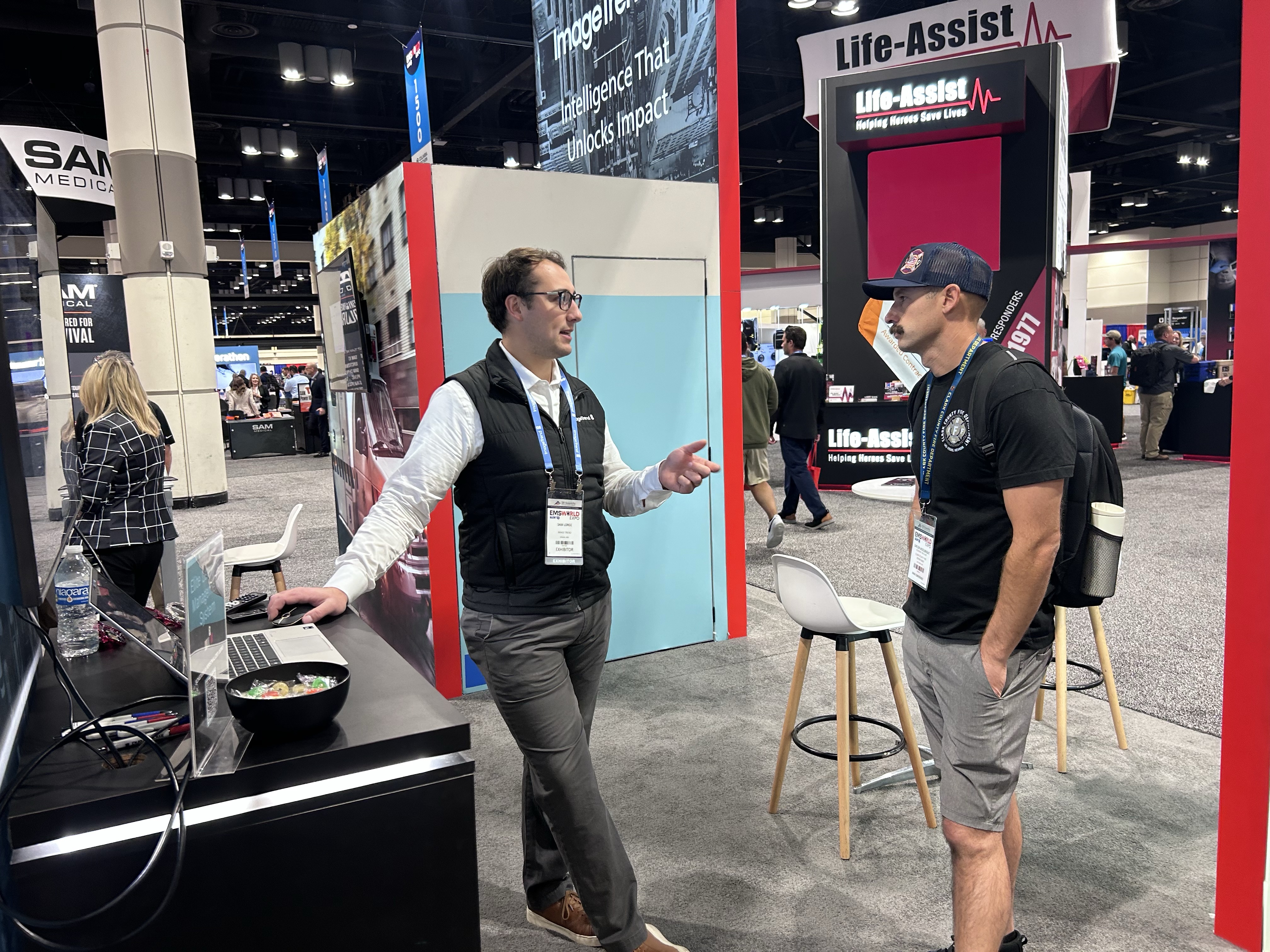
At ImageTrend’s booth 1613, almost nobody asked whether AI belongs in EMS. They wanted to know how to use it safely. One battalion chief told us:
“I know my team is using AI, so I want to get ahead and have them do it in a responsible way.”
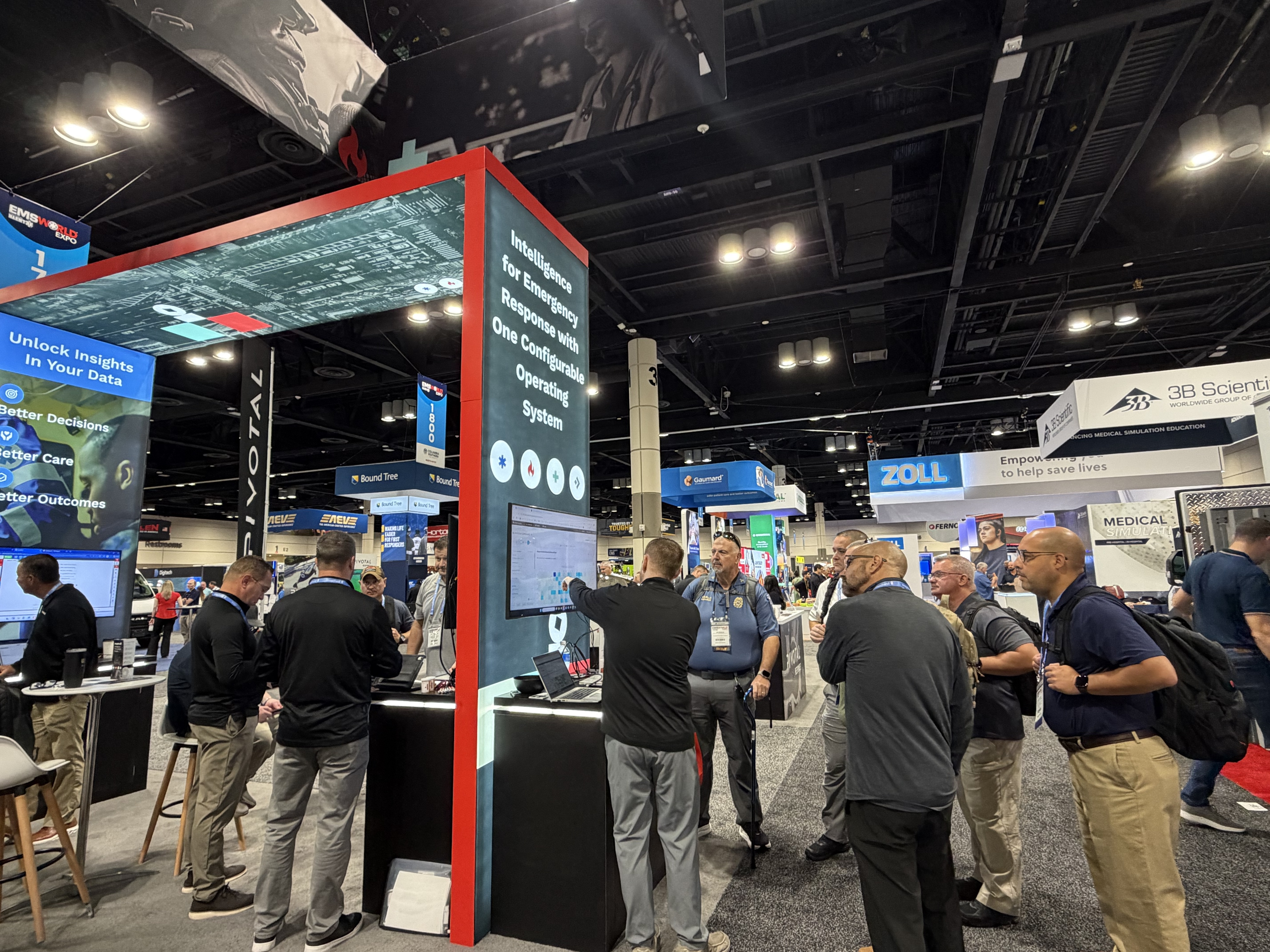
Crews are already trying public AI programs, and leaders are worried about where patient information ends up. At ImageTrend’s booth, our team gave dozens of demos that addressed those concerns and showed how ImageTrend’s AI Assist offers:
- Human control. AI does a first review and makes suggestions. With a human in the loop, your crews confirm, adjust or override every result.
- Choice. Every AI feature is optional, so each agency decides if and when to use it.
- Proven security. It meets HIPAA and SOC 2 standards. Data stays in ImageTrend’s secure hosting, is never shared with third parties or public AI platforms, and is never used to train public AI models.
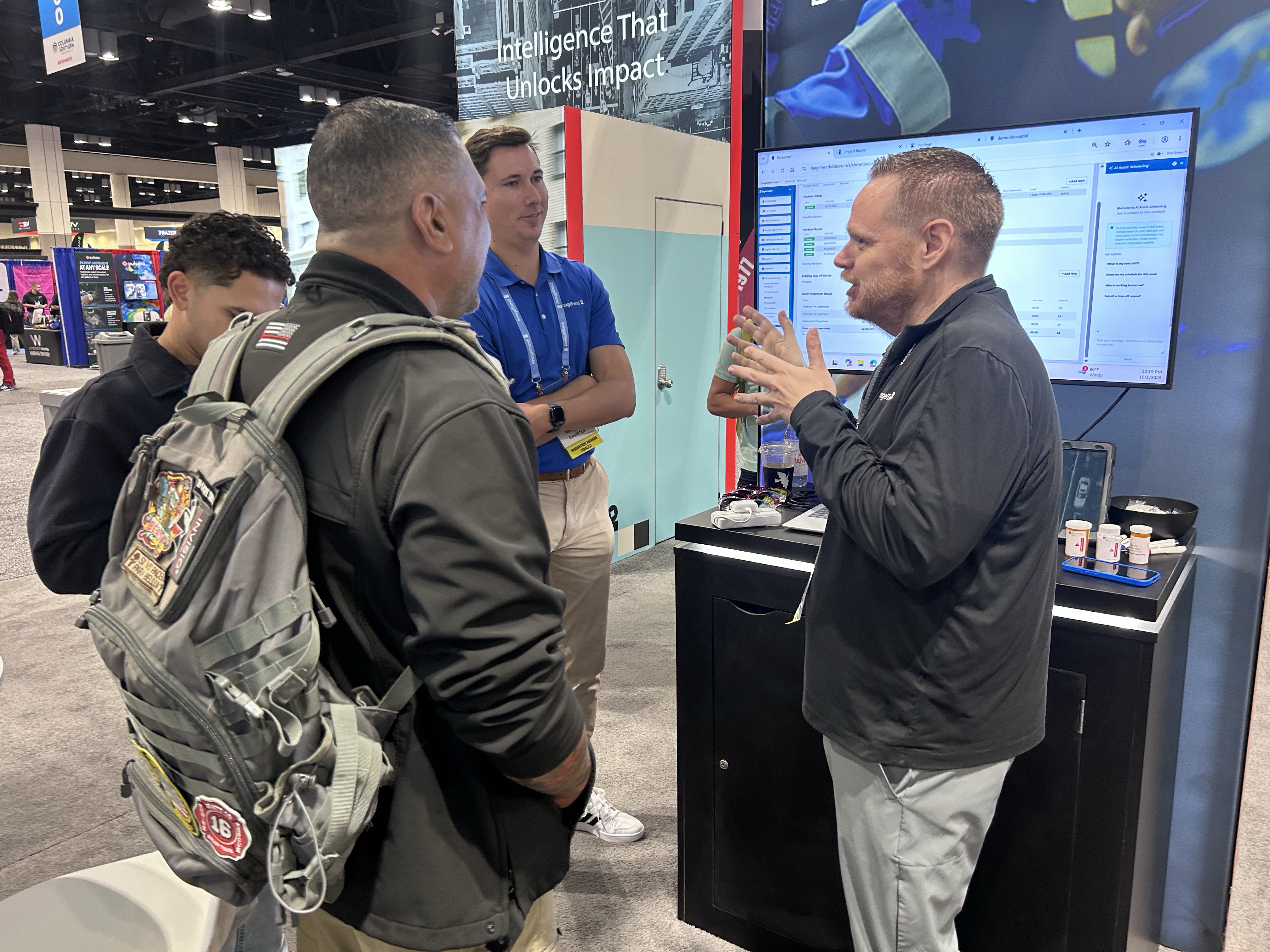
After a demo, one attendee said:
“Right now, we cross our fingers for repeat patients so we don’t have to fill out all the fields. We need this! Saving up to 15 minutes per incident is insane!”
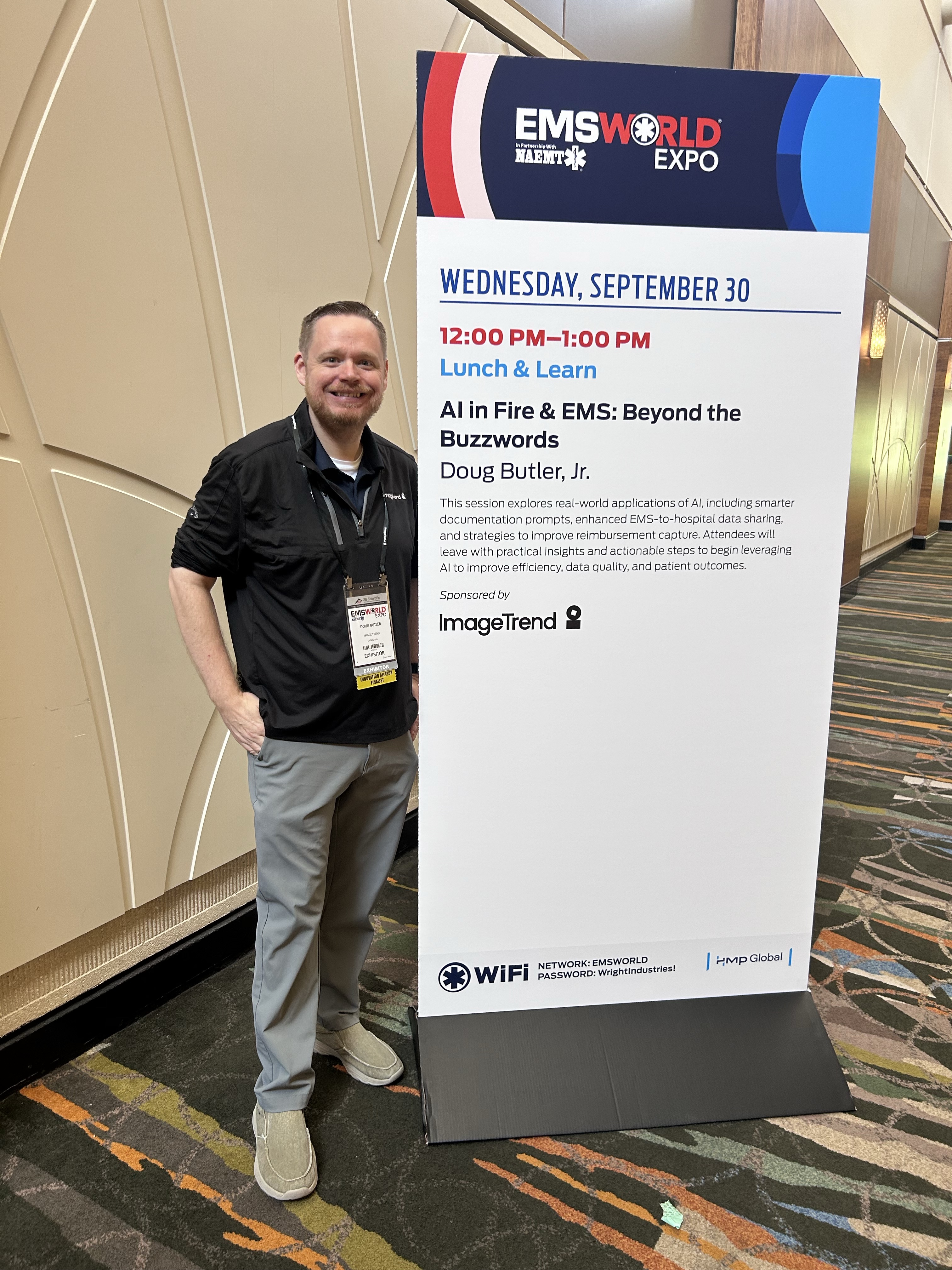
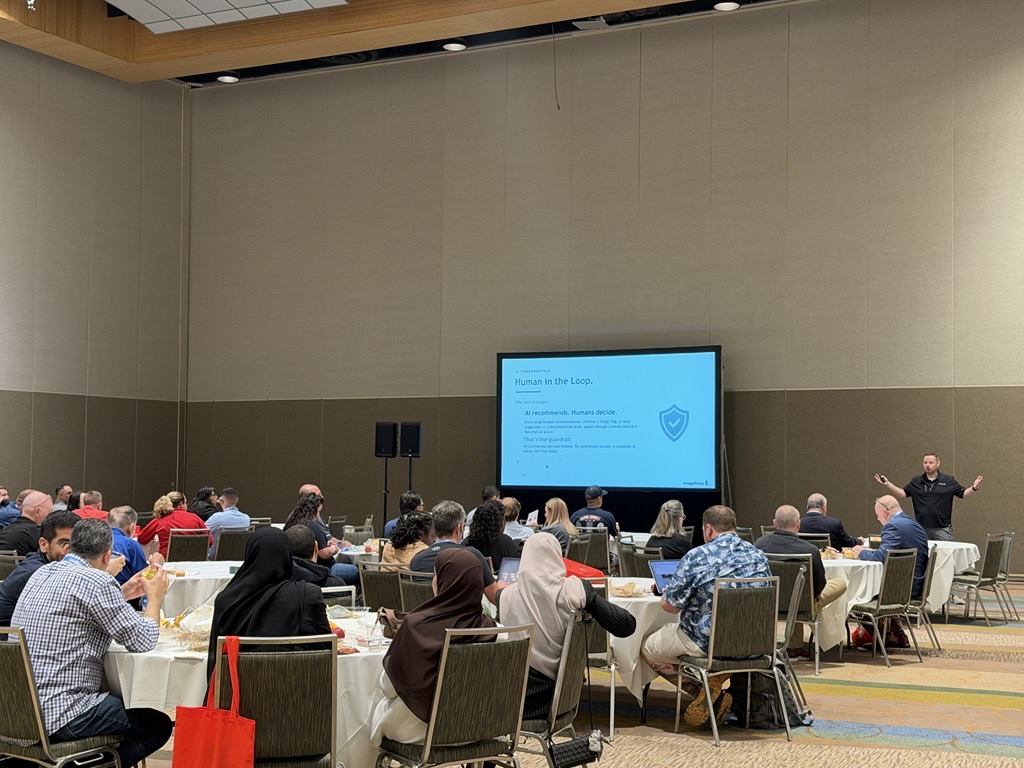
Underscoring the interest in how AI is impacting EMS, more than 110 people joined Doug Butler Jr., ImageTrend’s Vice President of Sales Enablement & Training, for our Lunch & Learn session on “AI in Fire & EMS: Beyond the Buzzwords.”
Proud moments for ImageTrend
- Three Innovation Award finalists: AI Assist: CQI Check, Carelytics and Unified Analytics. Winners will be featured in the Winter 2026 issue of EMS World.
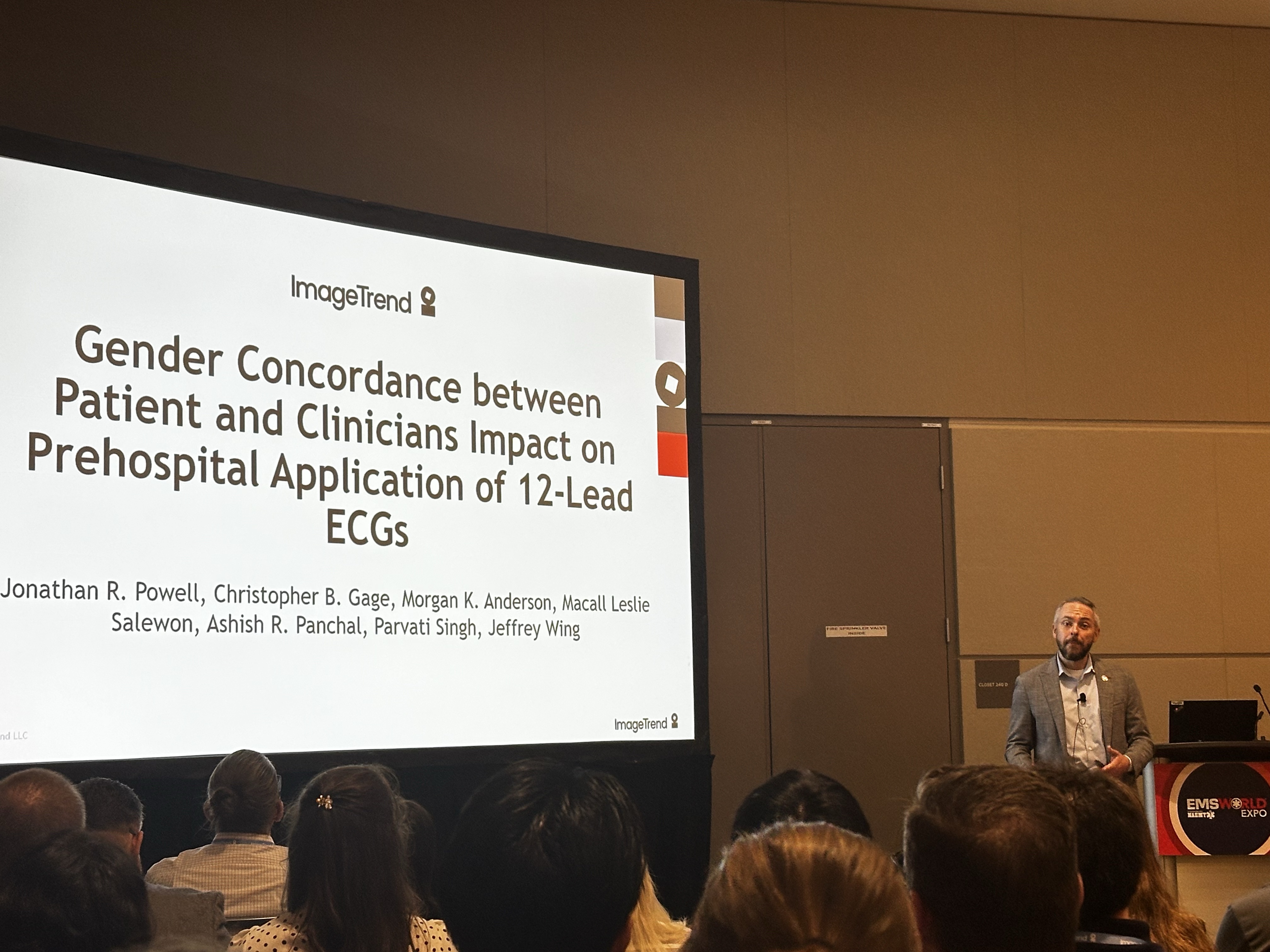
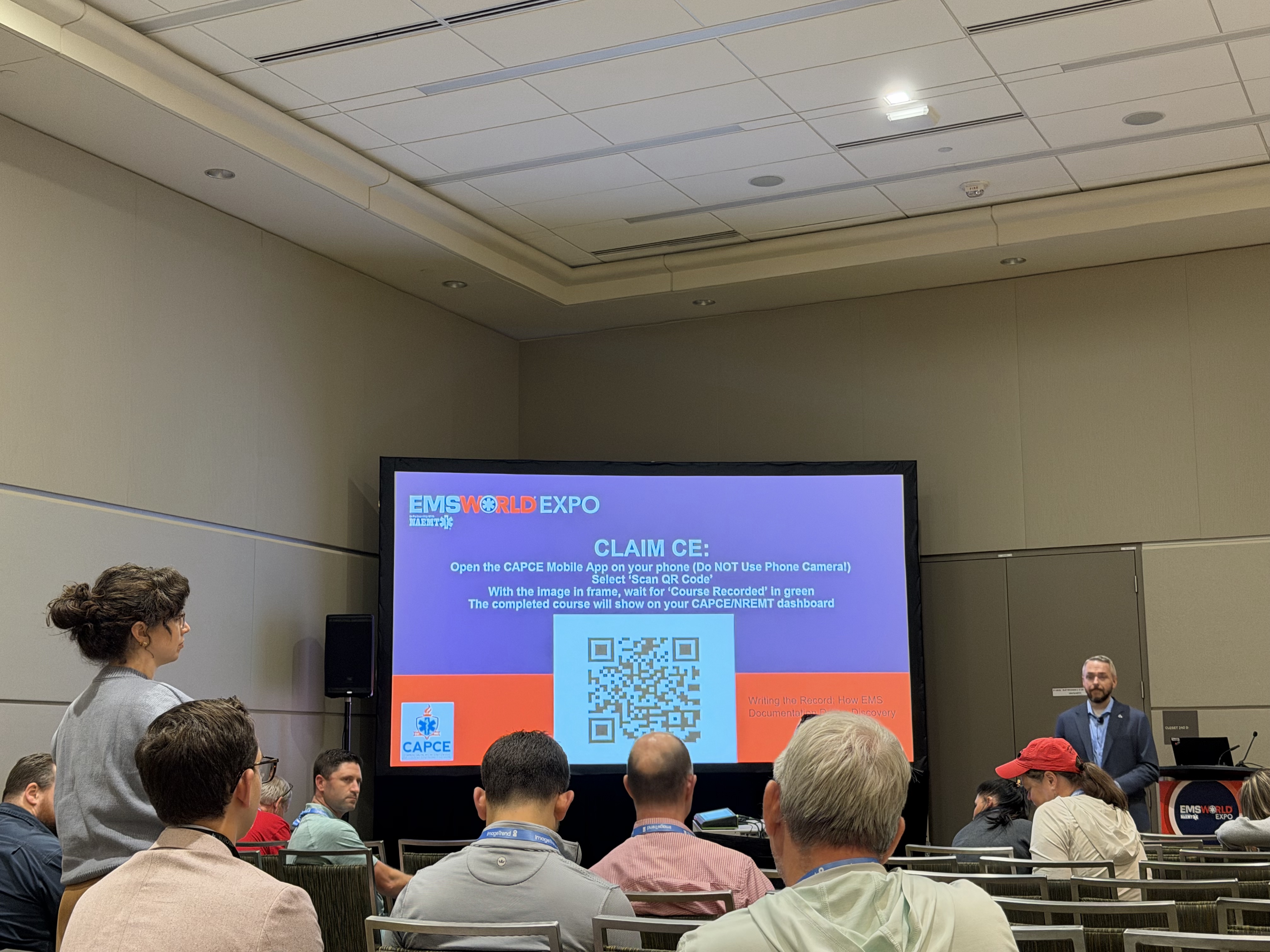
- A research win: Epidemiologist Dr. Jonathan Powell took second place for his oral research presentation. With data analyst Macall Leslie Salewon, he also led “Writing the Record: How EMS Documentation Drives Discovery.”
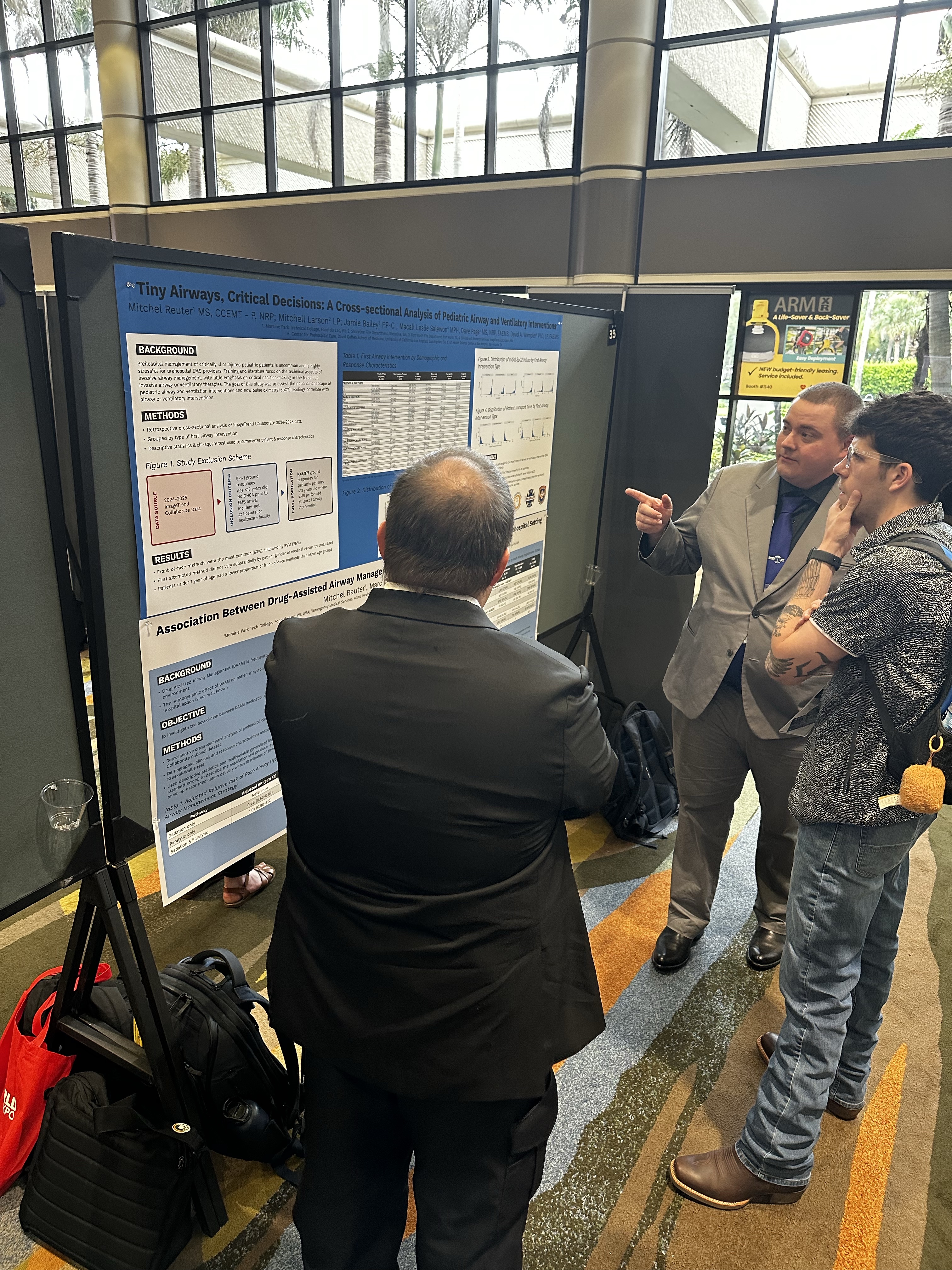
- Client research on display: Research Director Morgan Anderson led a poster walk featuring studies that clients built at our research workshop.
What’s next
Orlando showed an industry ready to plan smarter, reach patients sooner and use AI on its own terms. We’re already looking forward to next year.
Missed us at the show? Talk to an expert