







Fire and EMS agencies may be tracking online courses, classroom sessions, hands-on skill checks, outside training, credentials, and continuing education (CE). Keeping a clear record of it all can take time.
A Fire and EMS Learning Management System (LMS) brings that work into one place.
Agencies can organize training, track completion, and see which assignments personnel have finished or still need to complete. Learners can see what is expected and what comes next.
What Fire and EMS Training Software Should Bring Together
A newly hired firefighter-paramedic may begin orientation with a department presentation, a review of local protocols, and an assigned online course. The schedule may also include a classroom session, outside training, and an in-person skill demonstration. Ongoing training and CE add new requirements over time.
From the learner’s perspective, the essential questions are straightforward:
- What training do I need to complete?
- When is it due?
- What have I already finished?
- What comes next?
An LMS can place online assignments, scheduled sessions, hands-on training, due dates, and completed work in one training plan. Scheduled sessions can also appear on the learner’s calendar. Calendar details can be exported to Outlook or Google Calendar. This lets learners see upcoming training with their other commitments.
Training officers can build plans for onboarding, recurring training, or other agency needs. A new-hire plan, for example, might combine agency-created orientation materials with industry courses. Learners and training officers can then follow progress in the same place.
Agencies reviewing EMS or fire department training software need relevant course content and the flexibility to match their procedures.
Connect Online Learning With Hands-On Evaluation
Training may happen online, in the classroom, at the station, or outside the agency. Online courses are one part of that work. Personnel may also need to perform an apparatus check, demonstrate equipment competency, complete a patient assessment or clinical scenario, or take part in another hands-on evaluation. Outside courses and certifications add more training records to track.
The ImageTrend Elite LMS helps agencies manage online courses, classroom sessions, and offline assignments in one place. Learners can access online courses on a computer or the mobile app. This makes it easier to keep up with assignments away from a desktop. Agencies can also require an instructor or evaluator to record a hands-on skill demonstration tied to a course.
Training also happens outside assigned courses. Users can add credential details, upload supporting files, and submit outside training information for review. This helps agencies keep a more complete record of each team member’s training.
Training officers can use that record alongside hands-on evaluations and their own judgment when reviewing someone’s progress.
How Does a Fire and EMS LMS Help Training Officers?
Training officers need to know who has been assigned training, who has started, who has finished, and where follow-up may be needed.
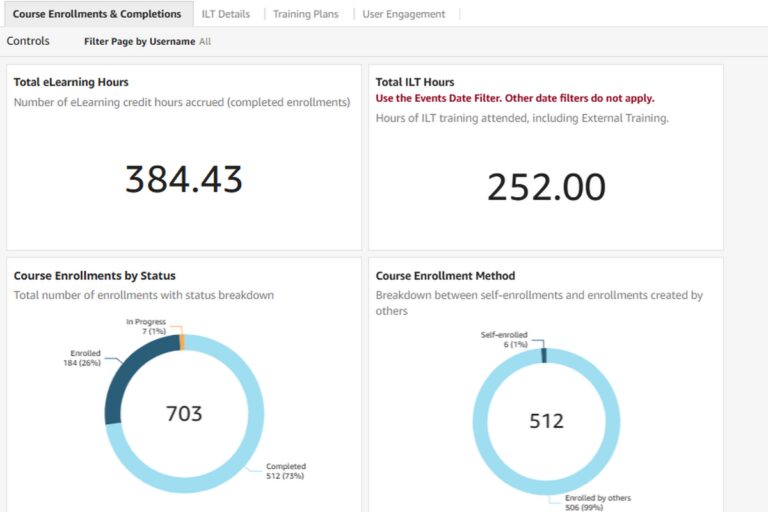
When training information is spread across several systems, spreadsheets, or paper records, even a routine question can mean searching several places or contacting individual team members. Centralized dashboards and reports make training activity easier to review across the agency. Administrators can filter information by course, learner, user group, or completion status. They can also set up recurring reports to find incomplete assignments. This helps identify learners who may need more time, clarity, or support.
This clear view helps training officers focus their follow-up where it is needed.
How CAPCE Completion Reporting Supports EMS CE
For applicable courses, completion information is sent directly to CAPCE, the accrediting body for EMS continuing education. CAPCE keeps a database of accredited course completions that the National Registry, state EMS offices, training officers, and individual EMTs and paramedics can use to verify CE completion.
Nationally Registered clinicians can import CAPCE-accredited course records into their National Registry transcripts. State requirements vary, but this connection removes one manual reporting step and helps agencies keep CE records organized.
Training officers can see course completion and CE activity, while EMTs and paramedics can review their completed coursework and training records.
Shape Fire and EMS Training Around Your Agency
ImageTrend Elite LMS includes access to more than 1,800 Fire, EMS, and compliance courses from Fire Engineering Training and JEMS Training, giving agencies well-established and trusted content to use alongside their own materials.
Many agencies already have presentations from past training sessions, videos showing local procedures, orientation materials, policy updates, SCORM files, and lessons created by experienced personnel. Elite LMS can turn supported presentations, videos, and other resources into trackable courses. Training officers and instructors can also add assessments or surveys when needed.
Training officers can combine industry courses and local content in the same training plan. They can assign plans to specific users or groups, and add classroom sessions, offline assignments, or hands-on skill demonstrations.
This gives agencies a structured way to shape training around their own people, priorities, and processes.
A More Connected Path to Readiness
Bringing assignments, hands-on evaluations, credentials, outside training, and completion records into one system gives personnel a clearer view of what they need to complete. It also gives training officers the information they need to support personnel.
Explore the ImageTrend Elite Learning Management System feature sheet for product details.
For a closer look at the learner and administrator experience, watch the on-demand webinar, A Modern LMS for Fire & EMS: Training That Connects Readiness, Compliance, and Performance.