






Hospital Compliance Software Platform
Hospital Registry Reporting and Data Tools Designed for Improved Compliance
Keep Up With Hospital Reporting Demands
Trauma, burn, stroke, and cardiac registry compliance depend on clean data and consistent documentation. Our connected tools help prevent incomplete records, flag validation issues early, and support audit readiness across departments.
Trusted By
Registry Reporting and Hospital Data Exchange Software That Makes Life Easier For Compliance Teams
Hospital compliance depends on accurate documentation, validated data, and reporting workflows that hold up under external review. When registry systems and hospital data are disconnected, teams spend more time correcting errors than analyzing performance.
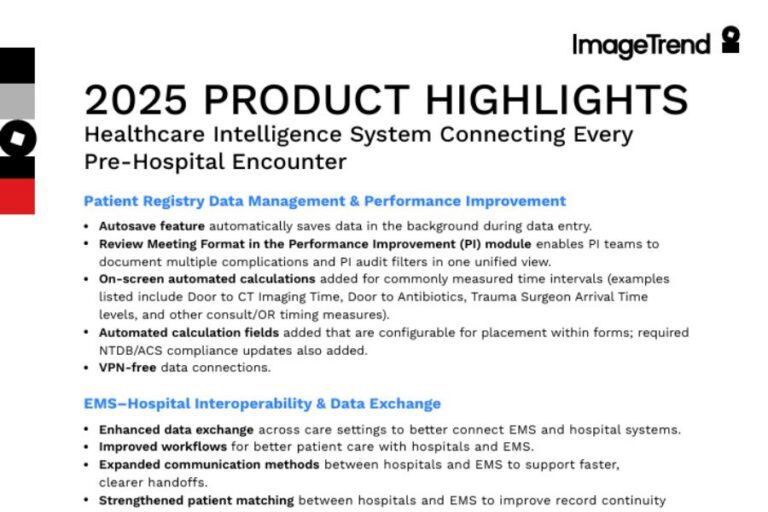
Patient registry management, EMS-hospital data exchange, and compliance reporting tools connect the records that matter and reduce the manual work between collection and submission.
Relevant capabilities that support EMS hospital inoperability
- Trauma registry management built for NTDB, TQIP, and ABA reporting requirements
- Auto ICD-10 updates and built-in data validation to reduce incomplete submissions
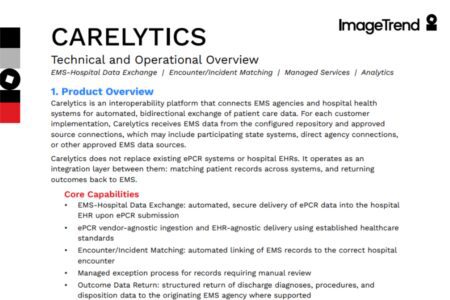
- Prehospital ePCR data delivered directly to hospital EMRs for faster trauma data abstraction
- Configurable dashboards and scheduled reports for Trauma Level I and II accreditation
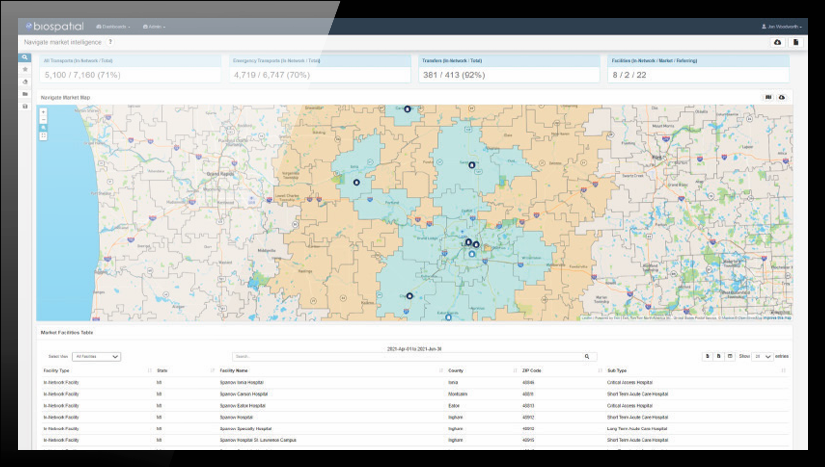
- Near real-time EMS patient flow and market insights to inform ED operations and strategy
- Automated patient-encounter matching to reduce manual follow-up and improve record continuity
Hospital Registry Software That Reduces Compliance Risk
Consistent documentation and clear visibility are critical to meeting registry compliance requirements. Patient registry tools support NTDB, TQIP, and ABA compliance with built-in validation, auto ICD-10 updates, and PIPS performance improvement tracking, so teams can catch data issues before submission.Â
Catch Issues Before They Become Delays
Built-in validation flags missing or inconsistent data before reports are submitted, including automatic checks aligned to NTDB and TQIP data dictionaries.
See Reporting Status Across Departments
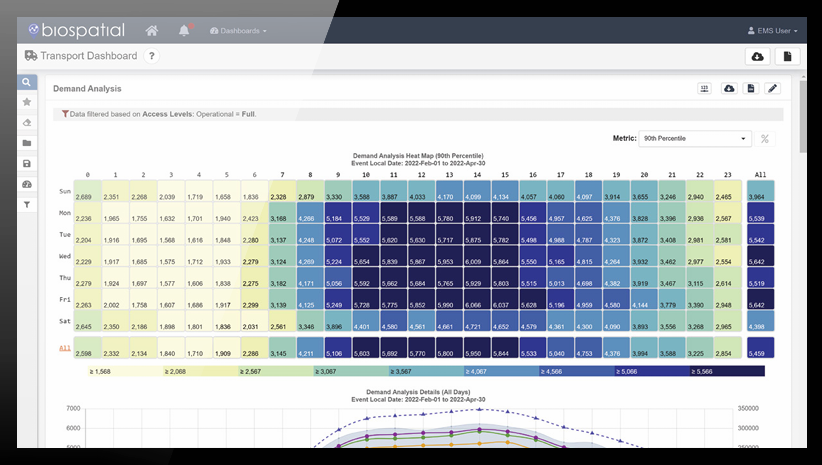
Configurable dashboards and scheduled reports make it easier to track progress, monitor metrics like offload times and treatment delays, and identify gaps without the need for manual spreadsheets.
Support Audit Readiness With Clear Records
Structured documentation, PIPS tracking, and access controls create a clear record history that supports audits, internal reviews, and Trauma Level I and II accreditation without last-minute scrambling.
Stay Ahead Of Hospital Compliance Demands
Meeting compliance requirements depends on visibility, consistency, and reliable data. The platform supports hospital teams with structured reporting workflows that reduce last-minute corrections and review delays.
Clear Visibility Into Hospital Compliance Reporting
Hospital compliance depends on knowing where registry documentation stands before submission deadlines. When reporting status is unclear, or when prehospital records aren’t connected to hospital encounters, teams lose time tracking records instead of reviewing them.
Centralized registry workflows give compliance, clinical, and quality teams a shared view of data quality, review status, and submission readiness. Automated patient and encounter matching reduces the manual follow-up that creates gaps between prehospital and hospital records.
Clear visibility also helps teams shift from reactive reporting to planned review. When documentation status and data quality are easy to see, compliance work becomes more predictable and easier to manage across timelines. That consistency supports better coordination between clinical, quality, and IT teams without adding manual tracking.
Built To Support Accurate And Timely Reporting
- Registry documentation configured for trauma, burn, stroke, and cardiac programs, built for Level I and II trauma centers
- Validation and auto ICD-10 updates to prevent incomplete or inconsistent submissions
- Configurable reporting dashboards and scheduled reports to track KPIs without manual spreadsheets
- PIPS and complications tracking with dashboards built in collaboration with 100+ trauma centers nationwide
- Near real-time prehospital data delivered to hospital EMRs, reducing manual entry and abstraction time
- Automated patient-encounter matching to improve record continuity and audit readiness
- EMS market and patient flow insights to benchmark performance against Coverdell, AHA, and other quality programs