- Who We Serve
-
-
Who We Serve
Empowering EMS, Fire, Hospitals, agencies, and researchers with data-driven solutions to improve efficiency, compliance, and outcomes.
Turn insights into smarter decisions when minutes matter.
-
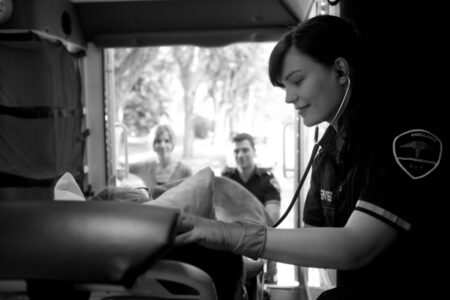
- EMSStreamline ePCR documentation, improve compliance, and turn field data into insights for better patient care.

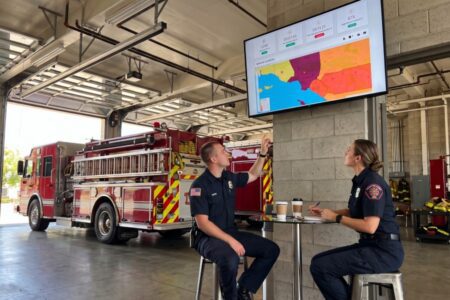
- FireSimplify NERIS reporting, optimize resource planning, and enhance firefighter safety with smart data solutions.

- HospitalsConnect EMS and hospital data, streamline trauma registries, and improve compliance for better patient care.

-
-
- Platform
-
-
-
PRE-INCIDENT
- SchedulingAutomated shift and workforce management
- Visual Pre PlansAccess critical building data instantly
- License ManagementStreamlined licensing and compliance management
- Permits and InspectionsManage fire codes, permits, and violations
- Community HealthProactive care for low-acuity patients
-
-
-
HEALTHCARE INTELLIGENCE SYSTEM
- Carelytics for HospitalsNear real-time, automated EMS-hospital interoperability
- Market IntelligenceHospital insights on referrals, transports, & prehospital care
- Reporting SolutionsHospital data reporting and compliance
- Patient RegistryData management for trauma centers
- Health Information ExchangeSeamless EMS-hospital data exchange
-
-
-
- Resources & Events
-
-

Billing Bridge Conference: Learn, Connect, Advance
-
-
- Plans & Pricing
- Customer Support
- Research Services
- About Us
- Careers
- Contact Us
- Schedule a Demo